
Sonic Pico Park Tips: 12 Co-op Habits That Save Runs
Twelve Sonic Pico Park tips that prevent the common co-op failures: bad stacks, early plate touches, missed ferries, gate splits and rail overshoots.
Most SONIC PICO PARK failures are not skill failures. They are coordination failures: a stack that forms too early, a plate that gets touched before the group arrives, a flyer who tries to carry two players, a gate that closes on the last straggler. The twelve habits below fix the failures that cost groups the most time.
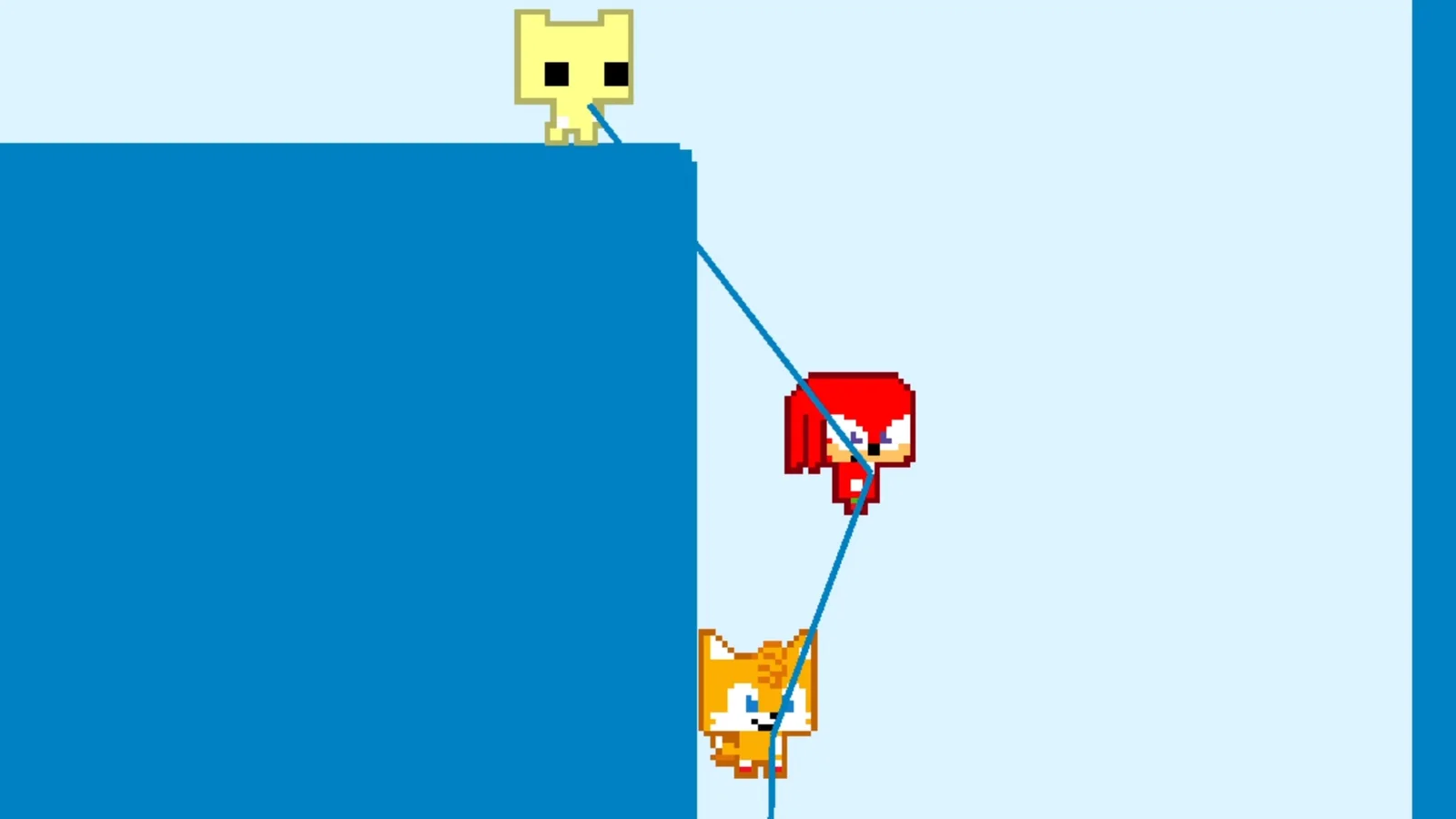
The list is ordered by impact. If your group adopts only the first three, you will save more time than a group that practices advanced platforming.
Count the group at every checkpoint. A count catches the missing player before the next room, not after the plate fails.
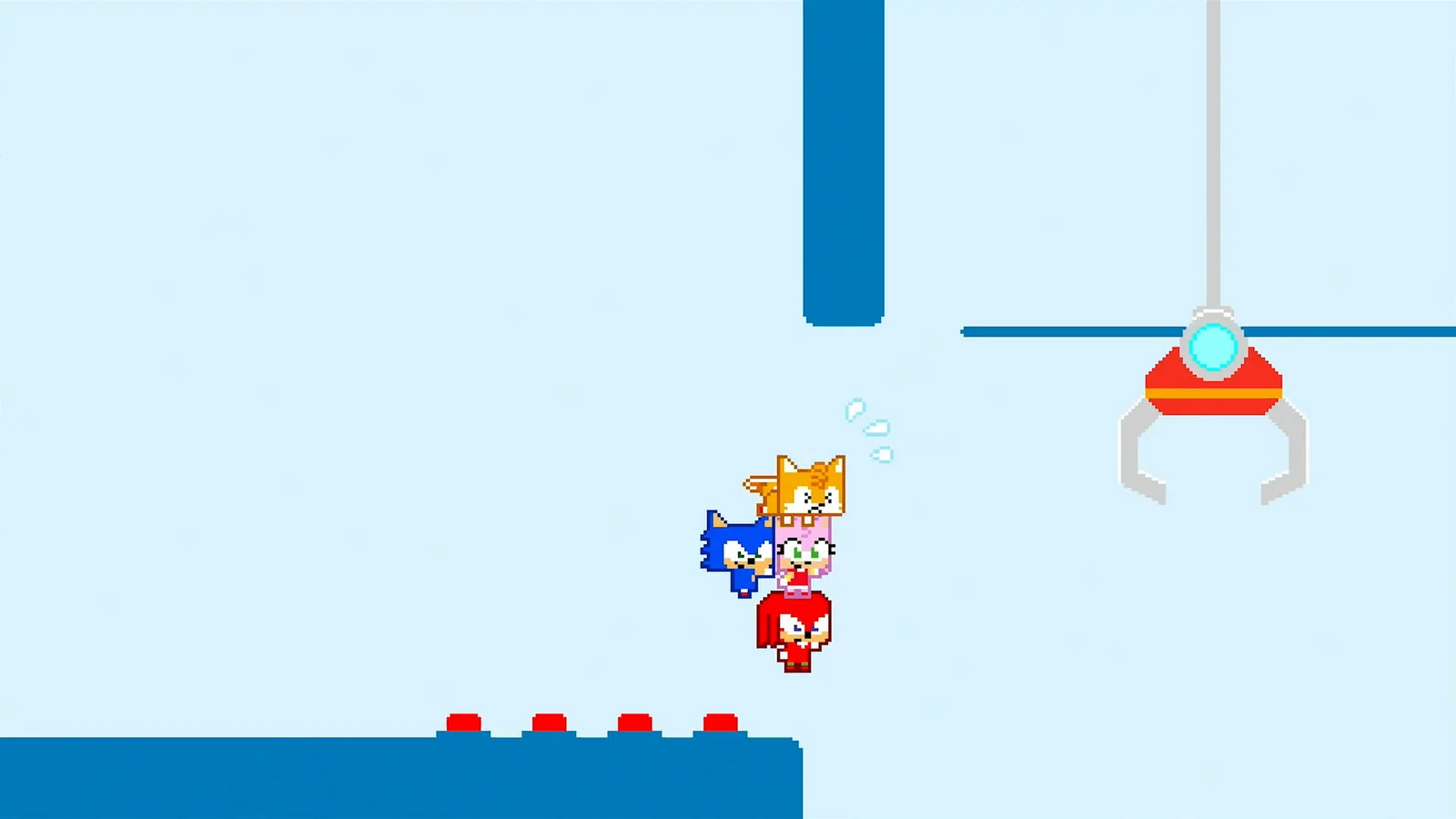
1. Count the group at every checkpoint
A checkpoint is a free reset and a natural meeting point. Touch it, then count: "one, two, three, four." The count catches the player who fell, the player who took a different route, and the player who is still in a menu.
The count is also the cheapest way to prevent the most common failure in the game: reaching the plate with one player missing. A group that counts at checkpoints rarely fails a plate.
2. Appoint one caller
In a group of four or more, one player should call the plan. The caller does not have to be the best player. The caller has to be the clearest.
The caller says the next action, the count, and the stop signal. In a room with a stack, the caller counts the tower. In a room with a switch, the caller says the number. In a room with a tether, the caller says when to stop.
Two callers is worse than none. A group with two voices spends more time arguing than moving.
3. Charge the Spin Dash away from ledges
The dash launches forward, not upward. A player who charges at the edge runs out of ground before the release and falls into the gap.
The safe habit: turn away from the ledge, charge, then release toward the target. The extra second of turning is cheaper than a checkpoint restart.
4. Ferry one player at a time
A flight character carries one passenger. A flyer who tries to carry two will drop both. In an eight-player group, the ferry is a queue, not a group lift.
The efficient pattern is: flyer crosses with player one, returns alone, crosses with player two, returns alone. The returns are fast because the flyer is not carrying anyone.
5. Keep the stack bottom still
A stack collapses when the bottom player moves. The bottom player should settle, plant, and hold until the tower is complete and the top player has jumped.
The caller counts the stack: "bottom ready, second ready, third ready, jump." A stack that forms without a count forms too fast.
6. Assign a gate holder before the room
A gate that needs a player to stand on a switch will close the moment the holder steps off. The group should assign the holder before anyone climbs, not after the gate closes.
The holder goes last, or a second player takes over the switch from the far side. A group that sends everyone through at once will split.
7. Send the ring holder through first
A ring gate opens while a player is holding enough rings. The holder should go through first, then the group, then the holder again if the gate needs to stay open.
A gate that closes on a straggler is the most common soft failure in Worlds 6 and 8. The fix is order, not speed.
8. Do not touch the plate early
The stage does not end until every player touches the plate. An early touch does nothing except confuse the group and, in some rooms, trigger a gate that closes behind the toucher.
The rule is simple: the anchor touches last. The anchor counts the group, confirms everyone is on the plate, and then touches.
9. Regroup after every room
The shared camera punishes a group that spreads out. After a hard section, stop and regroup before the next room. The regroup is not wasted time; it is the reason the next room starts with everyone in position.
A group that never regroups spends the whole stage rescuing stragglers.
10. Give the flyer to the patient player
The flyer spends more time waiting and ferrying than anyone else. The best flyer is not the best platformer; it is the player who will wait for the group and make the second trip.
A flashy player who drops passengers is worse than a patient player who crosses slowly.
11. Dismount rails early
The rail stages in World 10 print a dismount prompt. A player who stays on the rail too long rides into a hazard, and a player who dismounts too early lands in a gap.
The safe habit: dismount at the first safe platform, not at the last possible moment. The rail will not reward a late dismount.
12. Slow down in the dark
World 11's darkness rooms punish speed. The light circle around each character is small, and a group that spreads out loses the route. Move as a cluster, call the direction, and stop when the light reveals a hazard.
The same habit applies to the final world's rising spikes: a slow, counted climb beats a fast, panicked one.
Bonus: the boss habit
The World 15 boss is the only health-bar fight in the campaign. The group should assign one player to damage and one player to revive or reposition. A group that attacks from the same side will eat the same attack.
The boss rewards patience. Damage during the opening, retreat during the attack, and do not chase the boss into the corner.
Habits that do not help
- Speedrunning the tutorial. The prompts are the tutorial; skipping them costs more time later.
- Solo scouting. The shared camera makes a solo scout a liability.
- Hoarding rings. Rings are a gate resource, not a score.
- Blaming the lag. Most failures are coordination, not connection.
The how-to-play guide → covers the rules behind these habits. The multiplayer guide → covers role assignments for a full lobby.
Official source: SONIC PICO PARK official site ↗
Official source: Steam store page ↗
MonsterVine's review ↗ describes the co-op failure states. Siliconera ↗ covers the ability balance. The Nintendo product page ↗ confirms the player range.
FAQ
What is the most important Sonic Pico Park tip?
Count the group at every checkpoint. It prevents the most common failure: a plate touch with one player missing.
How do you stop a stack from collapsing?
Keep the bottom player still and count the stack before the top player jumps.
How many players should a flyer carry?
One at a time. Two passengers will drop both.
Why does the gate keep closing?
The switch holder stepped off. Assign a holder before the group climbs, and send the holder last.
Does Sonic Pico Park get easier with practice?
Yes, but the improvement is mostly coordination rather than platforming skill.